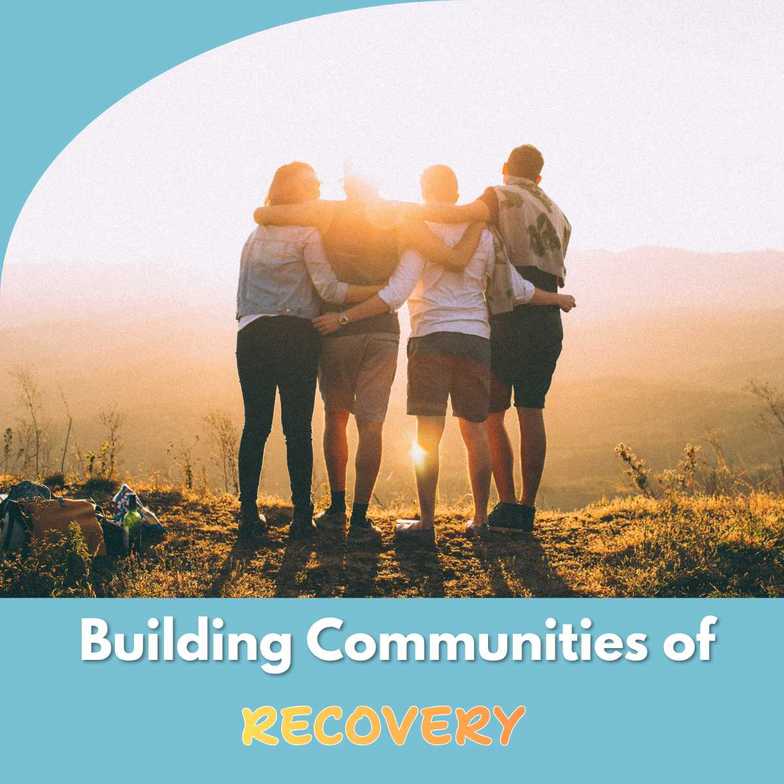
Recovery looks different for everyone. There are many paths to overcoming addiction, and a variety of treatment options that help individuals overcome addiction every day. It’s important for those seeking recovery to know that they are not alone. Shared recovery experience is at the heart of a Recovery Community Organization (RCO). RCOs are built on the belief that people with lived experience of addiction and recovery can relate to and empathize with what others are going through to They help others navigate their own recovery journey. When people feel understood and supported by their peers, trust develops, connections grow, and a stronger recovery community is cultivated.
SAMHSA recognizes the value of this approach. In August 2026, the agency announced $9.6 million in Building Communities of Recovery (BCOR) awards to support long-term recovery services. Another funding opportunity is forecasted. The FY2027 BCOR grant is estimated to be posted December 15, 2026, with up to $6.3 million available across 18 awards. For organizations already doing this work, or those looking to strengthen their role in the recovery community, now is a good time to understand what it takes to qualify.
Mandatory Organizational Eligibility The Building Communities of Recovery program is specifically intended for independent nonprofit organizations that meet the federal definition of a Recovery Community Organization.
According to the TI-27-004 funding forecast, an RCO must meet two criteria:
1. Mobilizes resources within and outside of the recovery community, which may include through a peer support network, to increase the prevalence and quality of long-term recovery from substance use disorders; and
2. Is wholly or principally governed by people in recovery for substance use disorders who reflect the community served.
The distinction is important. An organization may provide addiction recovery services, employ peer recovery specialists, or connect individuals with treatment resources. However, those activities alone do not establish RCO eligibility. The organization must also be independent, nonprofit, and governed primarily by people in recovery who reflect the community they serve. Lived experience is central to the organization’s leadership and approach to recovery.
Establishing RCO Recognition
Meeting the federal definition is essential, but organizations should also understand the recognition requirements included in previous BCOR funding rounds. For the FY2026 opportunity, SAMHSA required applicants to provide documentation of current organizational accreditation, certification, or recognition through one of the following pathways:
· Accreditation through the Council on Accreditation of Peer Recovery Support Services (CAPRSS).
· Certification or recognition through the Association of Recovery Community Organizations (ARCO), administered by Faces & Voices of Recovery.
· Certification, designation, or formal recognition through a state, territorial, or local RCO accreditation or certification program. Applicants were required to provide documentation with their application and maintain their organizational recognition throughout the three-year grant period. If your organization is considering this opportunity but has not yet pursued RCO recognition, it is worth exploring the available pathways now. The process and requirements depend on the accrediting or recognizing organization, so beginning early can help avoid delays when the next application opens.
Individual Peer Recovery Specialist Certification
Organizational recognition and individual peer recovery specialist certification are two different things.
RCO recognition applies to the organization itself. Individual certification focuses on the training and qualifications of the people providing peer recovery support. Depending on the state, peer specialists may need to complete specific training, meet experience requirements, or obtain a state-recognized credential.
The Doors to Wellbeing Peer Specialist Database is a helpful resource for finding state-specific certification information, training providers, and available in-person, hybrid, and online training opportunities. Understanding both requirements can help organizations build a qualified peer workforce while preparing to meet organizational eligibility standards.
Preparing for the FY2027 BCOR Grant
To review the funding opportunity, evaluate your organization's eligibility, and prepare for the application process, connect with REA Analytics for free grant writing assistance.